Balance between body and mind: holistic methods
Learn about holistic approaches to improving your health focusing on body, mind and soul. This e-book offers techniques and practices to help you achieve a harmonious lifestyle.
Download e-book

Better Personal Finances Through Self-Help and Professional Advice


Take control of your money by combining smart self-help strategies with expert financial guidance
Finance
Finance
6 min
Learn how to strengthen your personal finances through a balanced approach that blends self-management with professional advice. Discover practical steps to understand your financial situation, make informed decisions, and build lasting financial confidence.
Zuri Nelson
Zuri
Nelson

Better Personal Finances Through Self-Help and Professional Advice

Take control of your money by combining smart self-help strategies with expert financial guidance
Finance
Finance
6 min
Learn how to strengthen your personal finances through a balanced approach that blends self-management with professional advice. Discover practical steps to understand your financial situation, make informed decisions, and build lasting financial confidence.
Zuri Nelson
Zuri
Nelson

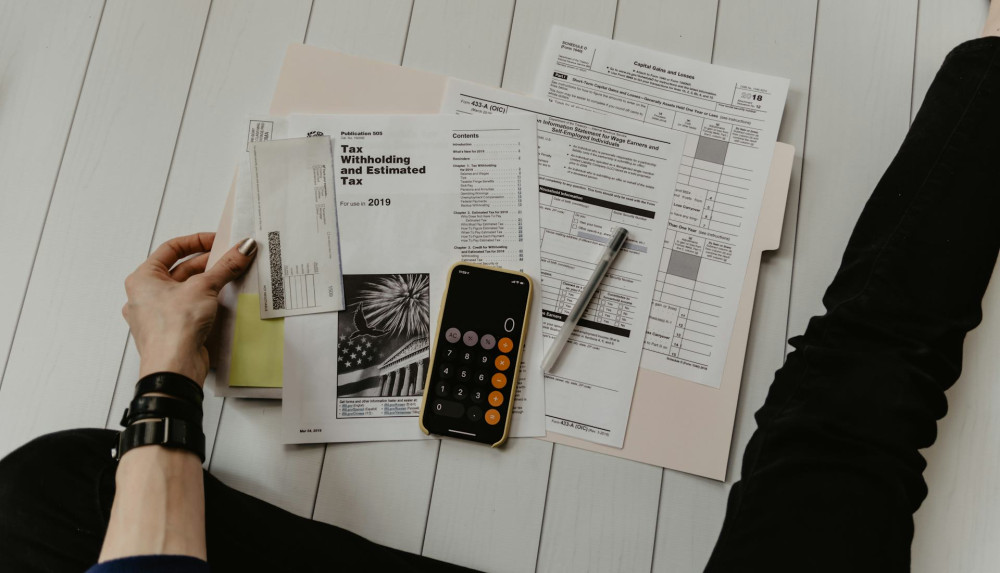
A healthy financial life isn’t just about earning more money—it’s about managing what you already have wisely. For many Americans, keeping track of income, expenses, debt, and savings can feel overwhelming. Fortunately, there are plenty of self-help tools and professional resources that can make the process easier. Combining both approaches often leads to the best results: you take responsibility for your own finances while getting expert guidance for the bigger decisions.

Start by Getting a Clear Picture

The first step toward better personal finances is understanding where you stand today. Many people are surprised when they see exactly where their money goes each month. Create a simple budget that lists your fixed expenses—rent or mortgage, insurance, subscriptions—and compare them to your income.

There are many free budgeting apps and templates available in the U.S., such as Mint, You Need a Budget (YNAB), or even simple spreadsheets. The key is to get a realistic view of your spending and identify areas where you can cut back. Small changes—like cooking at home more often or canceling unused subscriptions—can make a noticeable difference over time.

Self-Help: Taking Charge of Your Finances

Self-help in personal finance means taking active responsibility for your financial choices. It’s about setting clear goals—paying off debt, building an emergency fund, or starting to invest—and learning enough to make informed decisions.

  • Create a savings plan – Set up automatic transfers to your savings account each month so you save without thinking about it.
  • Review your debt – Check if you can refinance student loans, consolidate credit card debt, or negotiate lower interest rates.
  • Learn about investing – Even small, consistent investments in index funds or retirement accounts can grow significantly over time.
  • Use digital tools – Budgeting and investment apps can help you track progress and stay motivated.

Self-help doesn’t mean doing everything alone—it means taking initiative and understanding your finances from the inside out.

Professional Advice: When to Seek Expert Help

While self-help can take you far, there are times when professional advice is invaluable. A certified financial planner (CFP), accountant, or financial coach can help you see opportunities and risks you might miss on your own.

Professional advice is especially useful when facing major life decisions—buying a home, planning for retirement, managing an inheritance, or starting a business. A financial advisor can help you evaluate options, minimize taxes, and align your financial plan with your long-term goals.

Be mindful, however, of who you take advice from. Some advisors work on commission and may have incentives to sell certain products. Consider seeking fee-only or fiduciary advisors who are legally required to act in your best interest.

The Power of Combining Both Approaches

The most effective path to financial stability often combines self-help and professional advice. You can handle everyday money management yourself while turning to professionals for complex or long-term planning.

For example, you might create your own budget and savings plan but consult a financial planner for retirement or investment strategies. This approach helps you learn along the way, build confidence, and avoid costly mistakes.

Treat Finances as an Ongoing Process

Good financial management isn’t a one-time project—it’s a continuous process. Life changes—new jobs, moves, children, or retirement—require your finances to adapt. Set aside time a few times a year to review your budget, insurance, and financial goals. It doesn’t have to take long, but it can save you stress and money in the long run.

Take Small Steps and Be Patient

Improving your finances doesn’t mean changing everything overnight. Start small and build gradually. The most important thing is to take ownership and gain a sense of control. When you combine your own efforts with professional insight, you’ll be better prepared for both the challenges and opportunities that lie ahead—today and in the future.

Shared Finances at Home: How to Divide Your Income Fairly
Build trust and balance in your relationship by managing money together the right way
Finance
Finance
Personal Finance
Relationships
Budgeting
Money Management
Household Planning
4 min
Learn how to divide household income fairly and avoid financial tension at home. This guide offers practical advice on open communication, fair expense sharing, and creating shared financial goals that strengthen your partnership.
Kevin González
Kevin
González
Cut Your Housing Costs—Without Sacrificing Comfort
Smart strategies to lower your housing expenses while keeping your home comfortable and inviting
Finance
Finance
Housing Costs
Budget Living
Home Improvement
Energy Savings
Personal Finance
5 min
Discover practical ways to reduce your housing costs without compromising on comfort. From energy-saving habits and smarter insurance choices to creative design ideas and shared resources, learn how small changes can make a big difference in your monthly budget.
Ivy Davis
Ivy
Davis
What Is Tax, Really? A Simple Explanation of an Important Topic
Understanding how taxes shape our communities and daily lives
Finance
Finance
Tax
Finance
Economy
Public Services
Personal Finance
4 min
Taxes are more than just deductions from your paycheck—they’re the foundation of how societies function. This article breaks down what taxes are, why we pay them, and how they support the services and infrastructure we all rely on.
Thomas González
Thomas
González
Retirement and Spending: How They Affect Each Other
Discover how your daily spending choices shape your financial future and retirement security
Finance
Finance
Personal Finance
Retirement Planning
Saving
Budgeting
Financial Wellness
3 min
Your spending habits today have a direct impact on the quality of your retirement tomorrow. Learn how to balance saving and spending, understand the psychology behind financial decisions, and build a plan that supports both your present lifestyle and long-term goals.
Gabriel Scott
Gabriel
Scott
Better Personal Finances Through Self-Help and Professional Advice
Take control of your money by combining smart self-help strategies with expert financial guidance
Finance
Finance
Personal Finance
Money Management
Financial Planning
Self-Improvement
Financial Advice
6 min
Learn how to strengthen your personal finances through a balanced approach that blends self-management with professional advice. Discover practical steps to understand your financial situation, make informed decisions, and build lasting financial confidence.
Zuri Nelson
Zuri
Nelson
Create a Realistic Home Workout Routine That Lasts
Build a sustainable fitness habit that fits your lifestyle and keeps you motivated
Everyday life
Everyday life
Home Workout
Fitness Routine
Healthy Lifestyle
Motivation
Exercise at Home
2 min
Discover how to design a home workout routine that’s realistic, flexible, and built to last. Learn how to set achievable goals, use what you have, and make movement a natural part of your everyday life.
Kevin González
Kevin
González
Love of Learning: How to Rediscover Your Motivation at Work
Reignite your curiosity and find renewed purpose in your professional life
Everyday life
Everyday life
Motivation
Career Development
Personal Growth
Workplace Wellbeing
Learning
7 min
Feeling stuck or uninspired at work? Learn how to reconnect with your love of learning and rediscover the motivation that drives growth, creativity, and fulfillment in your career.
Ivy Davis
Ivy
Davis
Take a Break – and Find Calm in Your Everyday Life
Discover how short pauses can restore your focus and bring balance to your daily routine
Everyday life
Everyday life
Mindfulness
Wellbeing
Stress Relief
Self Care
Work Life Balance
5 min
In the rush of modern life, it’s easy to forget the power of slowing down. This article explores simple ways to take meaningful breaks, recharge your mind, and find calm in the middle of your busy day.
Thomas González
Thomas
González