From Roulette to Virtual Reality: The Casino’s Digital Evolution


From Roulette to Virtual Reality: The Casino’s Digital Evolution
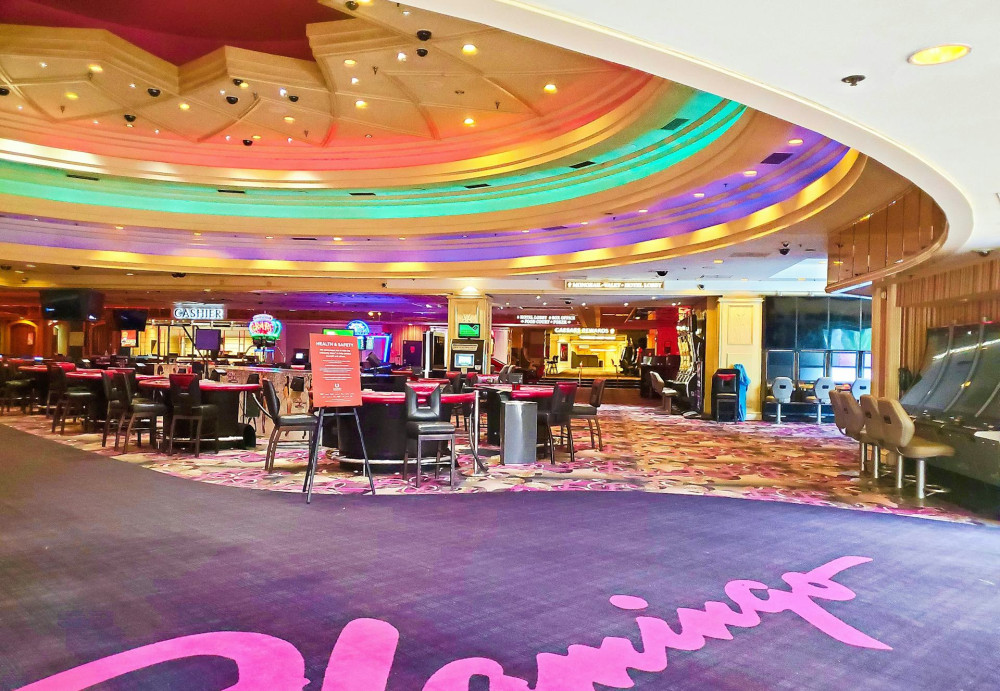
From the clinking of coins in Las Vegas slot machines to immersive virtual casino worlds, the gambling industry has undergone a remarkable digital transformation. What once required a trip to a physical casino can now be experienced from the comfort of home—or even through a headset. Technology hasn’t just changed how Americans play; it has redefined what a casino can be.
From Smoke-Filled Halls to Online Platforms
For decades, casinos were physical destinations—glamorous spaces filled with bright lights, chatter, and the hum of slot machines. But the rise of the internet in the 1990s sparked a new era. The first online casinos offered simple versions of classics like blackjack and roulette. The graphics were basic, the connections slow, but the concept was revolutionary: you could play for real money without leaving your living room.
As technology advanced, so did the experience. Developers introduced more sophisticated platforms with realistic visuals, faster gameplay, and improved security. Online casinos became accessible to a wider audience, transforming gambling from a destination activity into a digital pastime.
The Mobile Gaming Boom
The next major leap came with the smartphone revolution. In the 2010s, casino gaming moved from desktop computers to mobile devices. Apps and mobile-optimized websites made it possible to play anytime, anywhere—whether waiting in line or relaxing at home.
This convenience attracted a new generation of players who preferred quick, on-the-go entertainment. Secure payment options like Apple Pay, PayPal, and digital wallets made mobile gaming both easy and safe, further fueling its popularity across the United States.
Live Casino: Bringing Back the Social Element
While online casinos offered convenience, many players missed the social buzz of a real casino floor. The introduction of live dealer games changed that. Through high-definition video streams, players can join real tables hosted by professional dealers and interact with them—and with other players—in real time.
Live casinos combine the authenticity of in-person play with the accessibility of digital platforms. They’ve reintroduced the human connection that many felt was missing, creating a new kind of community among online gamblers.
Læs også:



Virtual Reality and the Future of Casino Entertainment
The latest frontier in digital gambling is virtual reality (VR) and augmented reality (AR). With a VR headset, players can step into a fully realized 3D casino, walk between tables, and engage with others in a lifelike environment. It’s an experience that blurs the line between the physical and digital worlds.
Although VR casinos are still in their early stages, major gaming companies are investing heavily in this technology. The combination of immersive graphics, social interaction, and personalized experiences could represent the next big leap in casino entertainment.
Responsible Gaming in the Digital Age
With greater accessibility comes greater responsibility. Online casinos in the U.S. are increasingly focused on promoting responsible gaming through tools like deposit limits, self-exclusion programs, and educational resources about gambling addiction. State regulators also enforce strict licensing and transparency requirements to ensure player safety.
Technology, in this sense, serves not only to entertain but also to protect. Balancing innovation with responsibility is key to the industry’s sustainable growth.
From Mechanics to the Metaverse
The casino’s journey from mechanical slot machines to virtual worlds mirrors a broader digital transformation. What once revolved around coins and levers now centers on data, experience, and interaction.
The future may bring casinos within the metaverse—shared digital spaces where players appear as avatars and explore custom-designed environments. No matter how technology evolves, the thrill of the game and the dream of winning will remain timeless.
Læs også: