Green, Natural, or Eco-Friendly? Understanding the Terms Behind Sustainable Funerals

Green, Natural, or Eco-Friendly? Understanding the Terms Behind Sustainable Funerals
More Americans are thinking about how their final farewell can reflect the values they lived by — including care for the planet. But when you start exploring options for a “green” or “sustainable” funeral, you quickly encounter a range of terms: natural, eco-friendly, biodegradable, organic. What do they actually mean, and how do they differ? Here’s a guide to help you make informed choices when planning an environmentally conscious goodbye.
What Does It Mean for a Funeral to Be “Green”?
The term green funeral is often used as an umbrella for practices that aim to reduce environmental impact. It can include everything from the choice of casket and burial site to transportation, flowers, and memorial materials. A green funeral doesn’t have to look drastically different from a traditional one — it’s more about minimizing harm to the environment.
Examples might include:
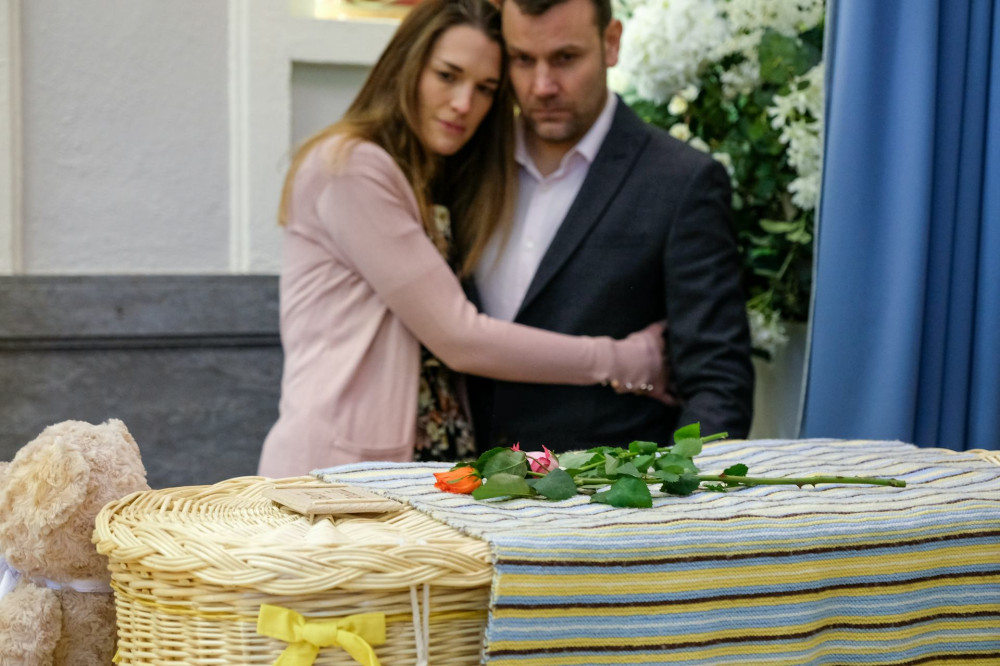
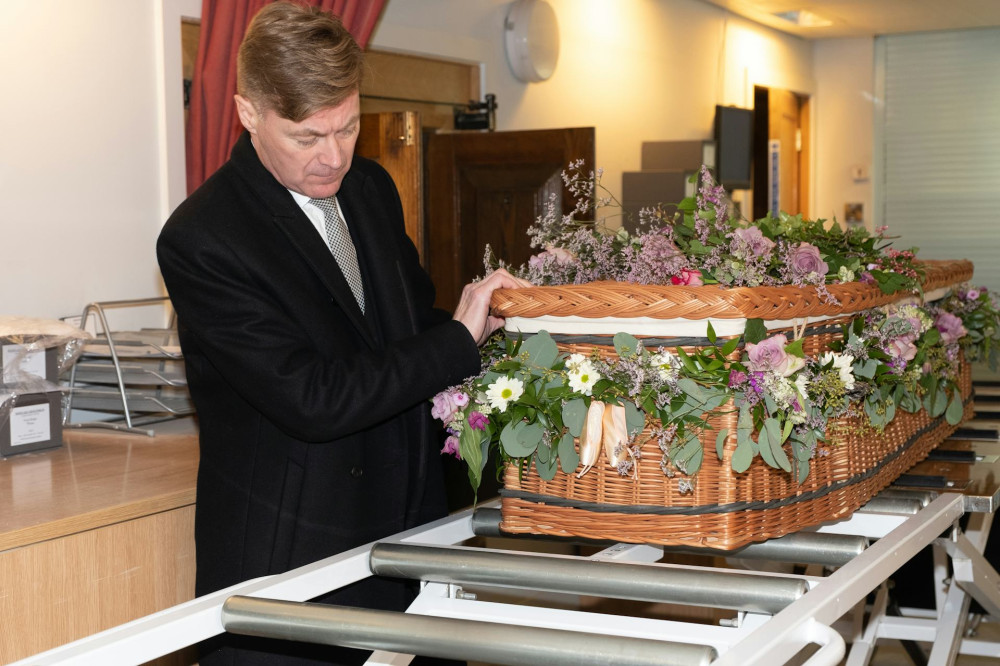
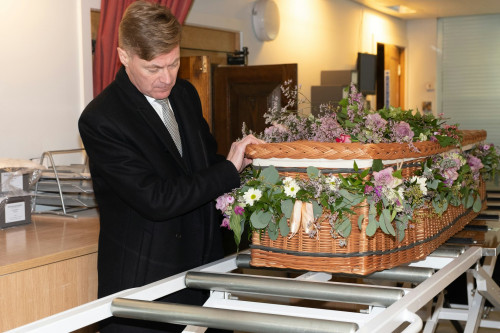
- Caskets and urns made from sustainably sourced wood or biodegradable materials.
- Avoiding metal parts, synthetic fabrics, and chemical finishes.
- Choosing local, seasonal flowers instead of imported arrangements.
- Reducing travel distances for services and burial.
A green funeral is really a collection of small, thoughtful decisions that together make the farewell gentler on the earth.
Læs også:
Natural Burial – Returning to the Earth
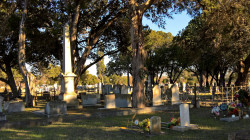
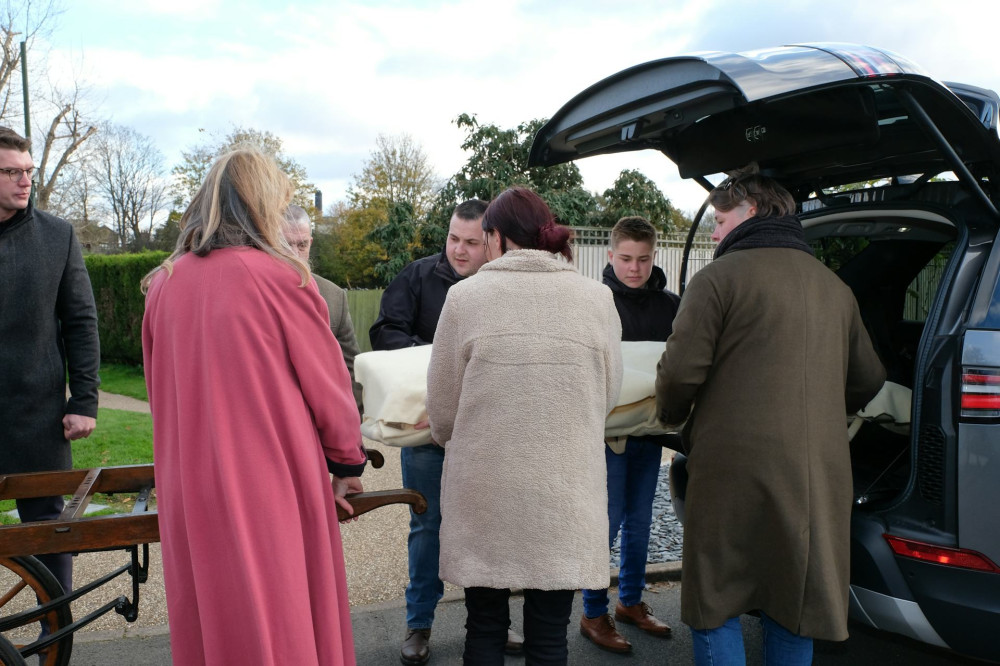
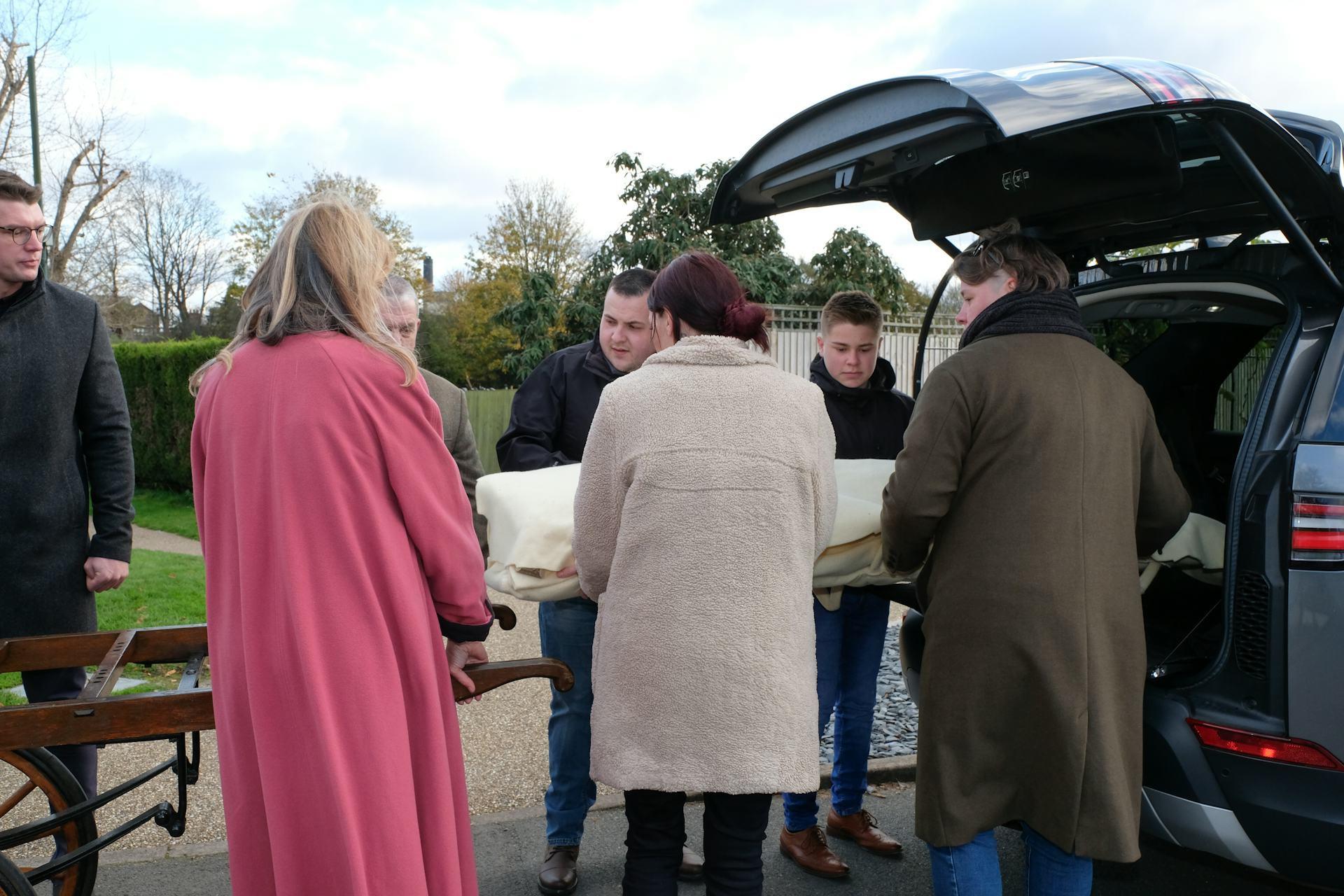
A natural burial focuses on simplicity and on returning the body to the earth as naturally as possible. In the U.S., this often means burial in a designated natural or conservation cemetery, where vaults, embalming fluids, and non-biodegradable materials are not allowed. The body is typically placed in a simple shroud or untreated wooden casket, allowing it to decompose naturally.
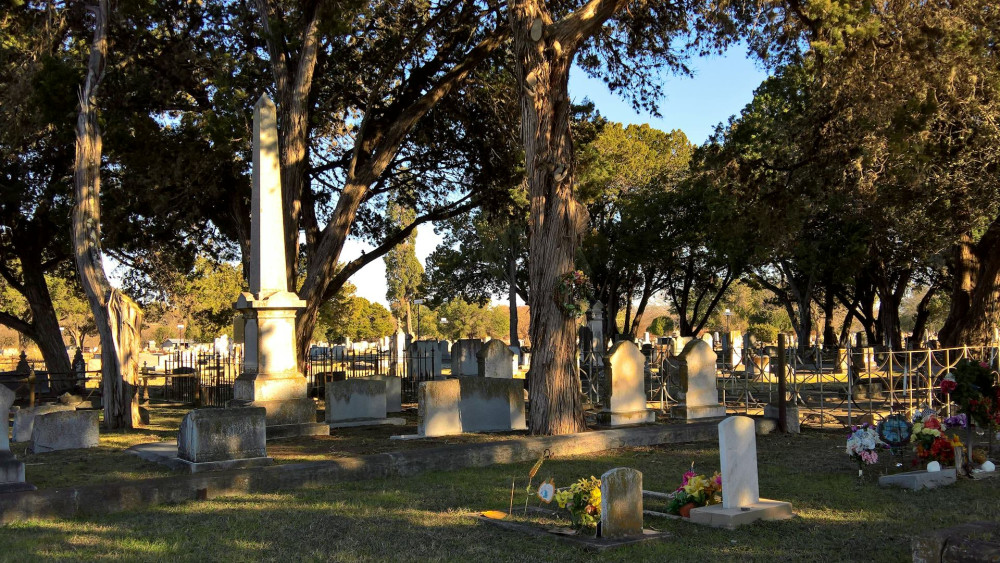
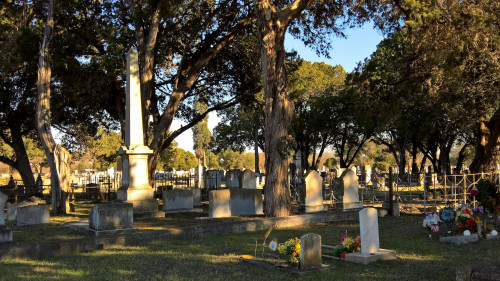
Natural burials often take place in settings that resemble meadows or forests rather than manicured cemeteries. Grave markers, if used, are simple or made from natural materials, and the landscape is left largely undisturbed. Many families choose this option because it feels peaceful, authentic, and in harmony with the cycles of nature.
It’s worth noting, however, that “natural” doesn’t automatically mean “carbon neutral.” Transportation, materials, and even land management practices can still affect the environment.
Eco-Friendly and Climate-Friendly – Two Sides of the Same Coin?
The terms eco-friendly and climate-friendly are often used interchangeably, but they emphasize slightly different concerns. An eco-friendly funeral focuses on reducing pollution and avoiding toxic substances that could harm soil, water, or air. A climate-friendly funeral, on the other hand, aims to lower greenhouse gas emissions.
For example, cremation produces carbon emissions but requires less land than a traditional burial. A burial sequesters carbon in the soil but uses more space and may involve ongoing maintenance. There’s no single “right” choice — it depends on which environmental factors matter most to you.
Organic – When Materials Matter
When a funeral is described as organic, it usually refers to the materials used. This might mean a casket made from FSC-certified wood, an urn crafted from unglazed clay, or fabrics made from organic cotton or hemp. These materials are produced without pesticides, synthetic chemicals, or harmful finishes.
Organic choices can complement both green and natural funerals, but the term itself doesn’t address energy use, transportation, or carbon emissions. It’s one piece of the sustainability puzzle, not the whole picture.
What You Can Do
If you want your own or a loved one’s farewell to be environmentally responsible, consider the following:
- Talk with your funeral director about green or natural burial options in your area.
- Look for certified green burial grounds through organizations like the Green Burial Council.
- Choose biodegradable caskets, urns, and shrouds.
- Opt for local flowers or living plants instead of imported arrangements.
- Use digital memorials instead of printed programs.
- Donate to environmental or conservation causes in lieu of flowers.
Even small steps can make a meaningful difference — and create a farewell that feels true to your values.
A Personal Choice with Purpose
Whether you’re drawn to the idea of a green, natural, eco-friendly, or organic funeral, the key is understanding what each term means and what matters most to you. A sustainable funeral isn’t just about the environment; it’s also about ethics, aesthetics, and personal belief.
By learning the language of sustainable funerals, you can choose a farewell that honors both your life and the planet you leave behind.
Læs også: