The Changing Urn: New Trends in Contemporary Funeral Culture

The Changing Urn: New Trends in Contemporary Funeral Culture
As society evolves, so too do the ways we say goodbye. Once viewed as a simple and discreet alternative to a casket burial, the urn has become a symbol of individuality, sustainability, and new forms of remembrance. Today’s funeral culture is in motion—and the urn stands at the center of many of its most striking transformations.
From Tradition to Personal Story
For decades, urns were standardized objects—plain, anonymous, and often hidden away in cemeteries or columbaria. Now, more families and individuals are choosing urns that reflect personality, beliefs, and aesthetics. Options range from hand-thrown ceramic pieces to glass, wood, or even recycled materials.
This shift reflects a growing desire to make farewells more personal. An urn might now be decorated with colors, patterns, or symbols that tell a story about the person’s life—perhaps ocean waves for a sailor, wildflowers for a nature lover, or sleek minimalism for a modern urbanite.
Læs også:
Sustainability as a Guiding Value
Environmental awareness is reshaping how Americans approach end-of-life choices. Many are turning to biodegradable urns made from materials like cornstarch, clay, or paper that naturally dissolve in soil or water. These eco-friendly options leave no trace, aligning with a broader cultural emphasis on sustainability.
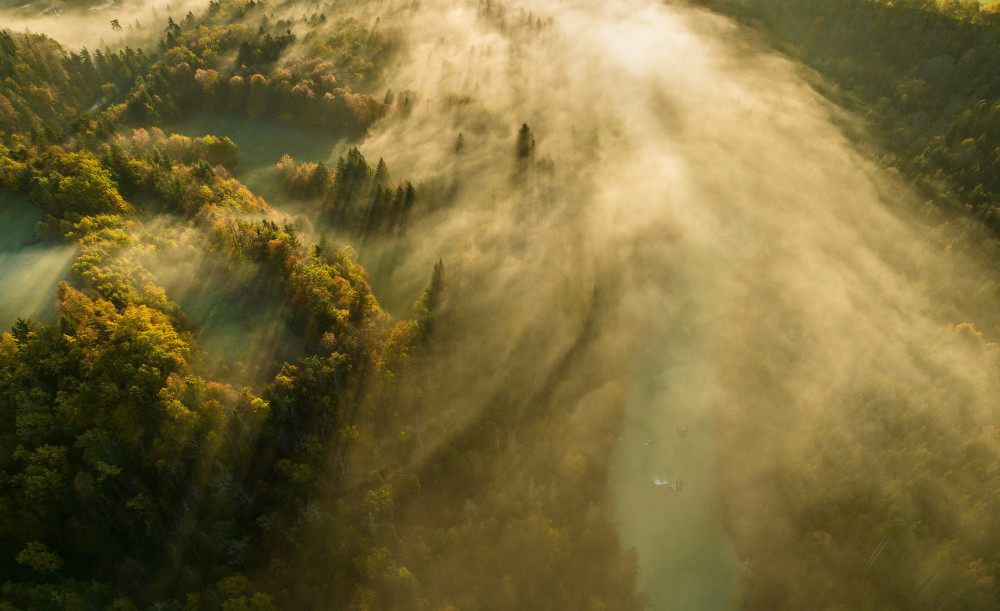
At the same time, ashes scattered at sea or in designated memorial forests are becoming more common. These practices allow nature to play an active role in the farewell, reflecting a wish to live—and die—in harmony with the planet.
New Rituals and Digital Memorials
Funeral culture is also expanding into the digital realm. Increasingly, families complement the physical urn with online memorials, where loved ones can share photos, stories, and messages. In this way, the urn becomes part of a larger narrative that continues beyond the physical ceremony.
There is also a growing interest in nontraditional ceremonies—held in gardens, forests, or even private homes—where the urn serves as a focal point in a more informal and personalized farewell. These gatherings allow for rituals that reflect individual beliefs, values, and life stories rather than fixed religious or institutional traditions.
Design and Craftsmanship in Focus
The urn is increasingly seen as a design object. Artists and craftspeople collaborate with funeral directors and families to create unique, meaningful pieces. Some urns are even designed to serve temporarily as art objects in the home before being interred or scattered—a way to keep the memory close during the early stages of grief.
This trend highlights how aesthetics and function are merging in modern funeral culture. The urn is no longer just a container; it is an expression of love, respect, and identity.
A New Way of Saying Goodbye
The transformation of the urn reflects a broader cultural movement: a desire for farewells that feel meaningful, personal, and aligned with one’s values. Where previous generations followed fixed traditions, today’s Americans seek flexibility and freedom to shape their own goodbyes.
The urn has become a symbol of this change—a small but powerful object that holds not only ashes, but also beauty, memory, and renewal. It reminds us that even in death, we continue to find new ways to express who we are and what we believe in.
Læs også: