The Changing Global Kitchen: The Taste of Globalization on Our Plates

The Changing Global Kitchen: The Taste of Globalization on Our Plates
From sushi rolls at the grocery store to falafel wraps at the local food truck, the world has found its way into the American kitchen. Globalization has not only transformed how we travel and communicate—it has also reshaped how we eat. Dishes that once seemed exotic are now part of everyday life. But what does it mean when culinary borders blur, and how does this transformation affect our food culture?
From Local Ingredients to Global Flavors
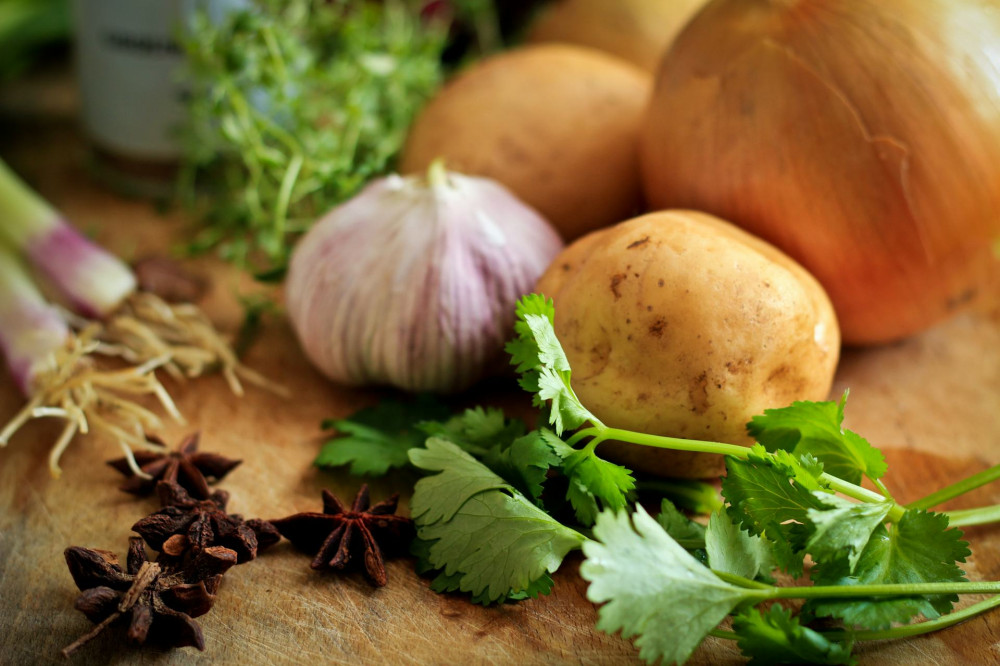
Just a few decades ago, the American dinner table was dominated by familiar staples—meatloaf, mashed potatoes, and apple pie. Today, it’s just as common to find sriracha, kimchi, or tahini in the fridge. Supermarkets stock ingredients from every corner of the world, and online recipe platforms make it easy to explore cuisines that were once out of reach.
Globalization has opened the door to a vast pantry of international flavors. Improved trade, transportation, and digital connectivity have made it possible to cook Thai curry in Texas or bake French pastries in Florida. This culinary exchange encourages creativity and curiosity—but it also challenges traditional foodways and local identities.
Læs også:

Fusion and Reinvention – When Cuisines Collide
One of the clearest signs of globalization’s influence is the rise of fusion cuisine—the blending of culinary traditions from different cultures. Think Korean tacos, sushi burritos, or Southern barbecue with Asian spices. For some, this is a celebration of innovation and cultural exchange; for others, it raises questions about authenticity and appropriation.
Across the U.S., chefs are experimenting with global techniques and local ingredients. In Los Angeles, you might find ramen made with California produce; in New Orleans, Vietnamese-Cajun seafood boils have become a local favorite. These creative combinations reflect the diversity of modern America and the way food can evolve when cultures meet.
Food as Identity and Connection
Food is more than sustenance—it’s a story of who we are and where we come from. When we share dishes from other cultures, we also share histories, values, and experiences. In cities across the country, immigrant-owned restaurants have become cultural landmarks, introducing Americans to new flavors while adapting recipes to local tastes.
This exchange fosters community and understanding. A shared meal can bridge differences, turning diversity into something tangible and delicious. In that sense, the global kitchen is not just about what’s on the plate—it’s about the people behind it.
The Other Side of Globalization – Uniformity and Environmental Cost
Yet globalization also has its downsides. As the same restaurant chains and food products appear everywhere, we risk losing regional diversity. Local dishes and heirloom ingredients can disappear when global trends dominate the market.
There’s also an environmental cost. Shipping avocados from Mexico or salmon from Norway contributes to carbon emissions, and the global demand for certain foods can strain ecosystems. This has sparked a growing movement toward sustainable globalization—embracing global flavors while making mindful choices about sourcing and consumption.
Finding a New Balance Between Local and Global
The future of the global kitchen may not be about choosing between local and global, but about finding harmony between the two. Many chefs and home cooks are now combining international inspiration with locally grown ingredients. This approach preserves a sense of place while celebrating the richness of global cuisine.
When we eat globally but think locally, food becomes a tool for both cultural connection and environmental responsibility. The taste of globalization on our plates is not just about what we eat—it’s about how we shape the future of food, one meal at a time.
Læs også: